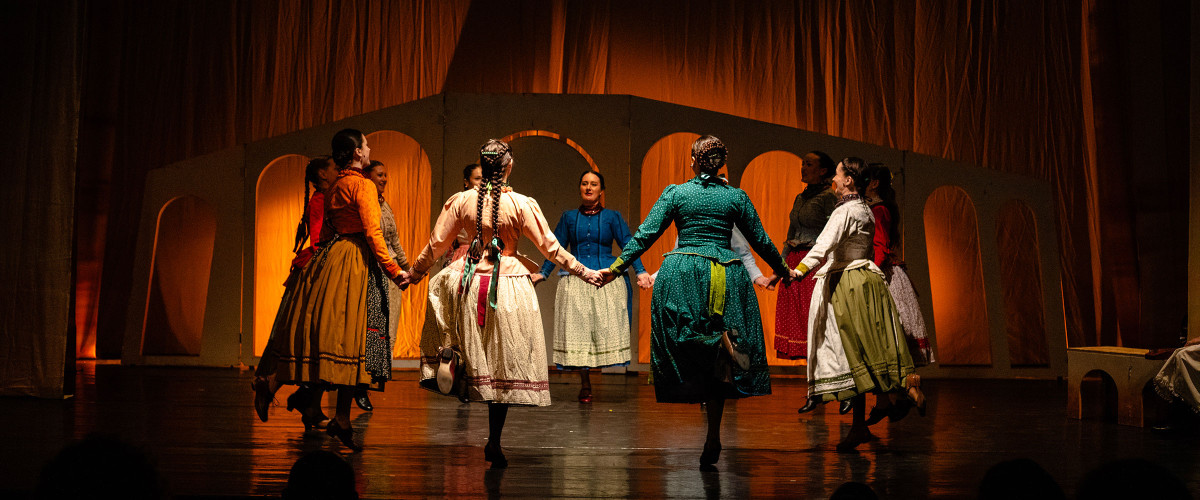
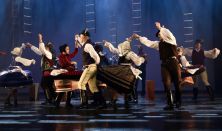
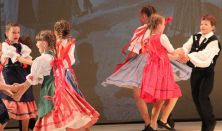
The love triangle involving the two childhood friends Sándor Decsi and Ferkó Lacza and Sándor’s love, Klári, is a well-known literary story. But it becomes special when the conflict is driven by the temperament and values typical of the Hortobágy. Jókai gives the characters in the novel qualities that are almost equal to the natural forces in animals: Sándor is passionate and determined like a horse; Ferkó is cautious and disciplined like a bull; and Klári is unique and odd—like a yellow rose.
The underlying mood of the performance is defined by the silences of pastoral solitude, the tensions raging inside the shepherd and the man, the words that carry weight because they are articulated in silence, the character-forming relationship between man and nature around him. The creators of the performance were inspired by these symbolic topos, reminiscent of Greek drama. Thus, The Yellow Rose is a ripple of these ancient stories, meanings, and forces. And what could be a better medium for this ripple than the folk songs, folk dances, and folk costumes of the Hortobágy? The threads of a love tragedy unravel before our eyes as everything unfolds in its own way—just as it is so familiar to us from our lives.
Klári, The Yellow Rose – Orsolya Gagyi
Sándor Decsi, Herdsman – Szabolcs Bíró
Ferkó Lacza, Cowherd – Szabolcs Zoltán Kovács
Head Herdsman – Szabolcs Duka
Recruiting Officer – Szabolcs Fall
Drill Sergeant – Nimród Olivér Bíró
Gypsy Healer – Magda Kásler
Gypsy Girls – Orsolya Borsos, Nóra Szász, Réka Török, Zsuzsánna Törzsök
Herdsmen – Szabolcs Árpád Bartha, László Török
Cowherds – Nándor Albert Füzesi, Károly György, Róbert Attila Szász, Attila Török
Girls – Timea Boér, Orsolya Borsos, Gabriella Nagy, Orsolya Ötvös, Adél Szántó, Zsuzsánna Törzsök
Women – Magda Kásler, Erika Ferencz, Nóra Szász, Réka Török
Musicians – István Moldován-Horváth, violin; László Ficzus, violin; Róbert Gyárfás, clarinet; János Kisfaludi, viola; Barna Attila Bakos, upright bass
Dramaturg – Kata Györfi
Music Compilation – Árpád Könczei
Costume Design – Margit Soós, Zsuzsa Szász, Andrea Szélyes
Dance Teacher – Tamás Majer
Dance Teacher, Assistant Director – Villő Könczei
Set Designer – Csilla Csiszér
Director and Choreographer – Árpád Könczei
Dance Leaders – Szabolcs-Zoltán Kovács, Magda Kásler
Appointed Director – István Moldován-Horváth