Diótörő - Pécsi Balett
A Diótörő felújítása a Nemzeti Kulturális Alap támogatásával valósult meg.
A Diótörő felújítása a Nemzeti Kulturális Alap támogatásával valósult meg.
Ön egy múltbeli eseményre keresett rá. Kérjük, válogasson aktuális kínálatunkból a Jegy.hu keresőjében!
Last event date: Saturday, December 23 2017 3:00PM
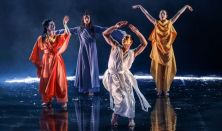
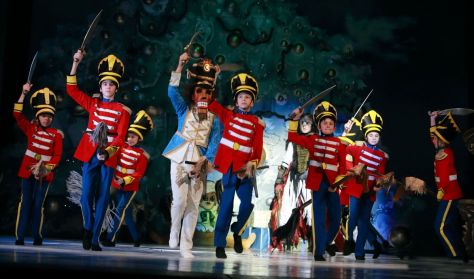
A Diótörő, minden idők legnépszerűbb meséjének balettváltozata, minden generációt képes elbűvölni és elgondolkoztatni arról, vajon beérhetjük-e a látszatvilággal, vagy a boldogság megtalálásához hinnünk kell abban, hogy mindennek lelke van, minden tárgynak sorsa van. A gyerekek hite megváltoztatja a világot, s a felnőttek tőlük tanulhatják meg azt, hogy érezni kell, nem csak látni. Egy csúnya kis fabábu, aki előnytelen testébe zárva egy gonosz átok foglya. Egy kislány, aki meglátja a színesre festett testben az érző lelket, és mindent megtesz azért, hogy megtörje az átkot. A mese most új változatban kel életre, úgy tisztelve a klasszikus meseváltozatot, hogy közben közel hozza a mai korhoz a történetet.
Zene: Pjotr Iljics Csajkovszkij
Dramaturg: Almási-Tóth András
Jelmeztervező: Rományi Nóra
Díszlettervező: Rózsa István
A koreográfus asszisztense: Czebe Tünde Harangozó-díjas
A rendező munkatársa: Uhrik Dóra Kossuth-díjas, Liszt-díjas Érdemes művész
Rendező-koreográfus: Vincze Balázs Harangozó-díjas, Imre Zoltán-díjas

Szerelmi vágy, szerelmi álom Emléke, fénye űz feléd, Keresem az elvesztett édent, Remények, álmok édenét... Amikor én rajongó vággyal Követlek, várlak tégedet, A multnak álma száll meg akkor: A mult és az emlékezet... (Ady Endre: A múltért)
Bál, bál, maszkabál! Minden jelmez készen áll, Szól a nóta, messze száll: Áll a bál, áll a bál, áll a fényes maszkabál!
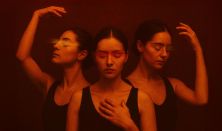
The Faces of Love is deeply rooted in three iconic works by Sándor Márai: Embers, Esther’s Inheritance, and Divorce in Buda. These works are significant not only for their literary value, but also for the way in which they masterfully and sensitively portray the deepest and most complex layers of the relationship between men and women, which are relevant in all times and cultures. The performance uses this rich emotional and philosophical background to stage the universal story of love in three distinct, yet intertwined images, with the help of live music and Márai’s poems.
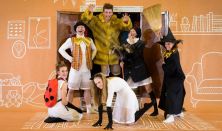
Once upon a time, there was a widow who had two daughters.
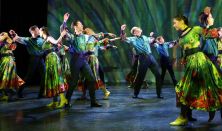
It’s been a dream come true when the creators of the Hungarian State Folk Ensemble came across the fresh-sounding, popular,…
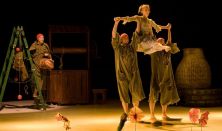
Miként az ember leveti elnyűtt ruháit és újakat ölt magára, úgy adja fel a lélek is az öreg és hasznavehetetlen…
item(s) in basket
total:
Time limit has expired. Please, put item(s) in to basket again.

A Nemzeti Táncszínház fenntartója.